Literary Fine-tuning
Large language models are not only business tools. They are also instruments for art, literature, linguistic research, and experimental forms of writing. Fine-tuning makes it possible to explore not just what a model knows, but how it speaks: rhythm, syntax, imagery, tension, vocabulary, and the internal movement of style.
Seven Ravens is developing a series of fine-tuned language models based on Polish literary texts in the public domain. The goal is not to create one general “literary model”, but separate models for distinct voices, styles, and modes of thought. One model may speak in the language of Leśmian, another in the language of Norwid, another in the language of Witkacy.
The base model is PLLuM, further trained with LoRA on texts by authors whose work belongs to the public domain. At this stage, this means primarily Polish authors who died before 1956. The base model may change when a more suitable foundation model for Polish literary work becomes available.
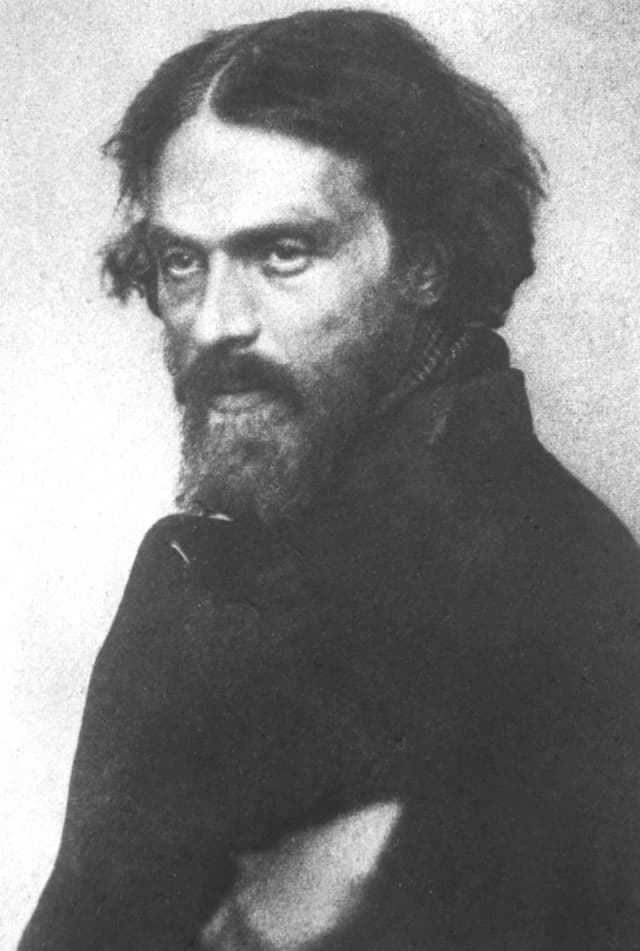
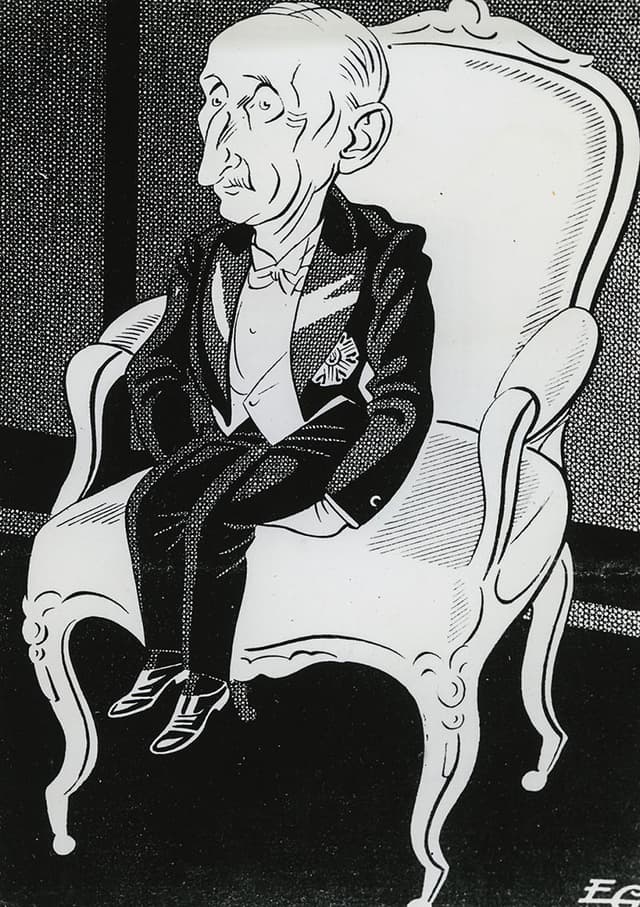
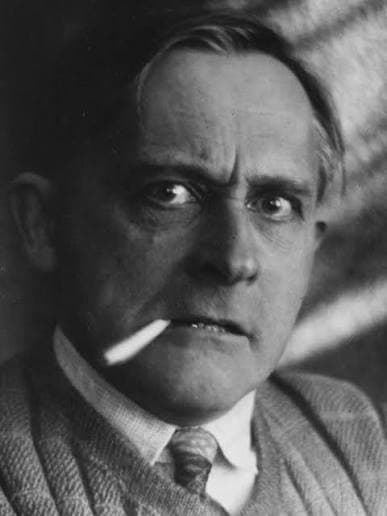
This project stands at the intersection of technology, literature, and the archive. Fine-tuning is not used here to produce ordinary paraphrases or mechanical imitation. The purpose is to examine how far a language model can absorb the rhythm, syntax, symbolic pressure, vocabulary, and organization of meaning characteristic of a particular author.
PLLuM is a valuable base, but not an ideal model for this kind of work. Its creators emphasize safety and the absence of harmful or false content, which is useful in many contexts, but only moderately aligned with literature that often moves through shadow, violence, grotesque, eroticism, madness, contradiction, and the darker regions of human experience.
At the request of contemporary authors, Seven Ravens can also create paid models trained on their own writing and style. In this case, the model is not an imitation of an archived voice, but a private authorial tool: a laboratory for language, variants, rhythm, and possible extensions of one’s own writing.
The question of authorship in works created with AI remains open. Who is the author of a novel written in a library? Which matters more: the author or the work? Is the purpose of art wonder, or ego? If someone writes beautifully, to whom do they owe the beauty of their style?
Technology: PLLuM, LoRA, PyTorch, RunPod
The first literary models will be made available online soon.