Heart Hackers - Full-stack Example
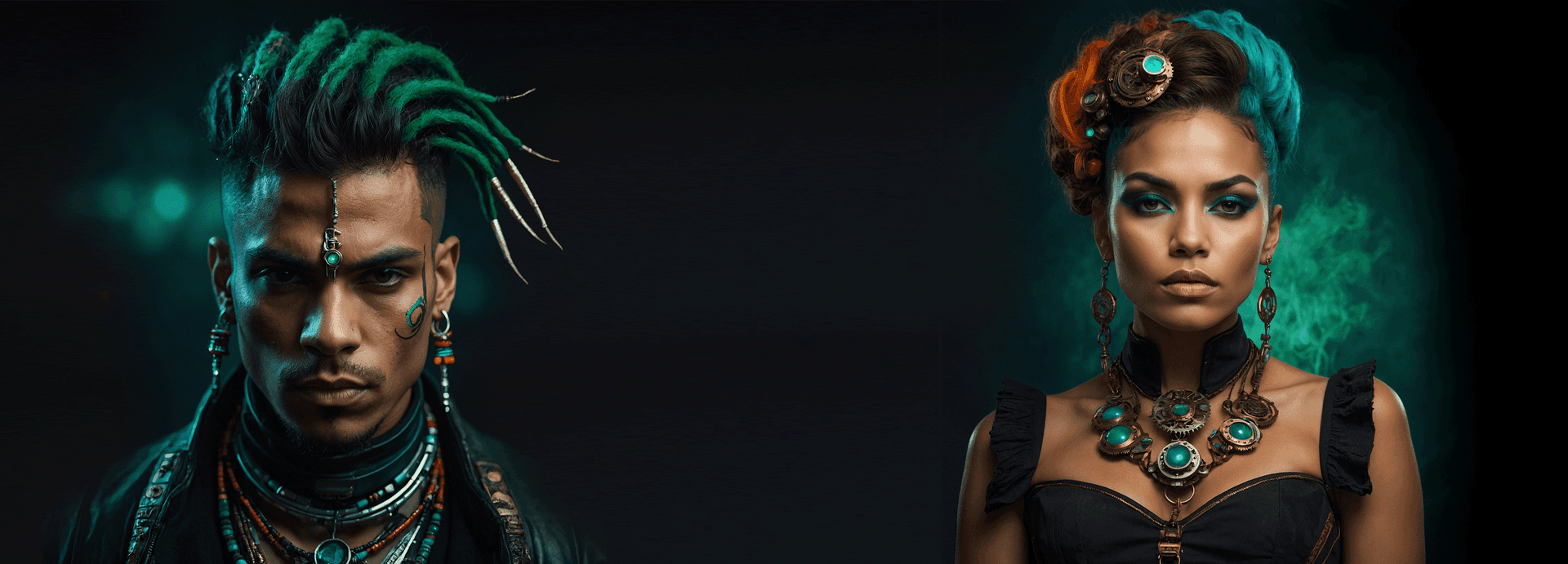
Heart Hackers is a mobile dating application and a concrete example of a full-stack product built end to end with the help of AI tools: from visual style, frontend and backend development, database design, and deployment to website, publishing, promotion, and further platform development.
The project is presented here as one full-stack example, not as a limit of the technology stack. Seven Ravens works across different frontend, backend, mobile, database, and deployment stacks, choosing tools according to the product, budget, infrastructure, and delivery constraints.
Google Play: Heart Hackers on Google Play
Website: Heart Hackers
The current implementation uses React Native, Expo, PHP, MySQL, and AI-assisted coding workflows with Codex. The Android version is published on Google Play, the public website is online, and the iPhone version is in progress.
Product
Heart Hackers is designed as a dating app for adults who do not need the usual layer of algorithmic entertainment around meeting people. The product is intentionally simple: profiles, browsing, photos, messages, and direct user choice.
The app is free to use. There are no subscriptions, no paywalls, no premium profiles, and no paid visibility. The product does not sort people by popularity and does not turn attention into a ranking system.
There are no swipes, no likes, and no boosted egos. The interface avoids the familiar mechanics of addictive dating apps and keeps the experience closer to browsing real profiles and starting conversations.
The product logic is deliberately restrained. It focuses on basic identity, age, photos, approximate location, profile information, browsing, and chat. The application does not try to pretend that matching people can be solved by a mysterious algorithm.
This makes Heart Hackers a useful full-stack case study: the product is simple enough to remain clear, but complete enough to require real mobile development, backend logic, database structure, media handling, account management, privacy rules, deployment, and store publication.
Visuals
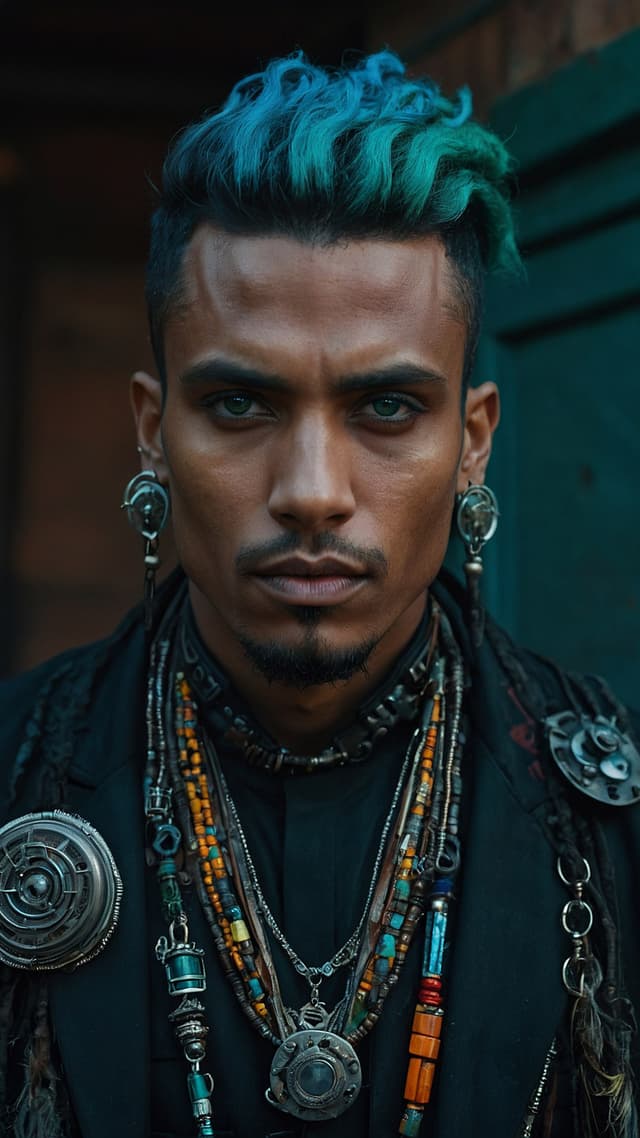
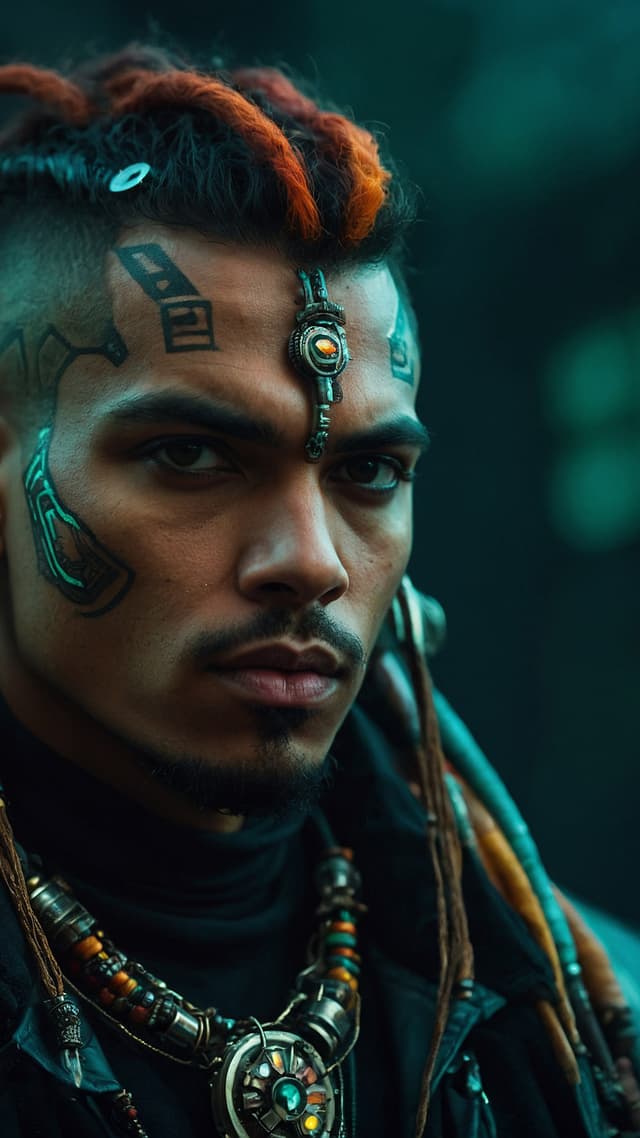
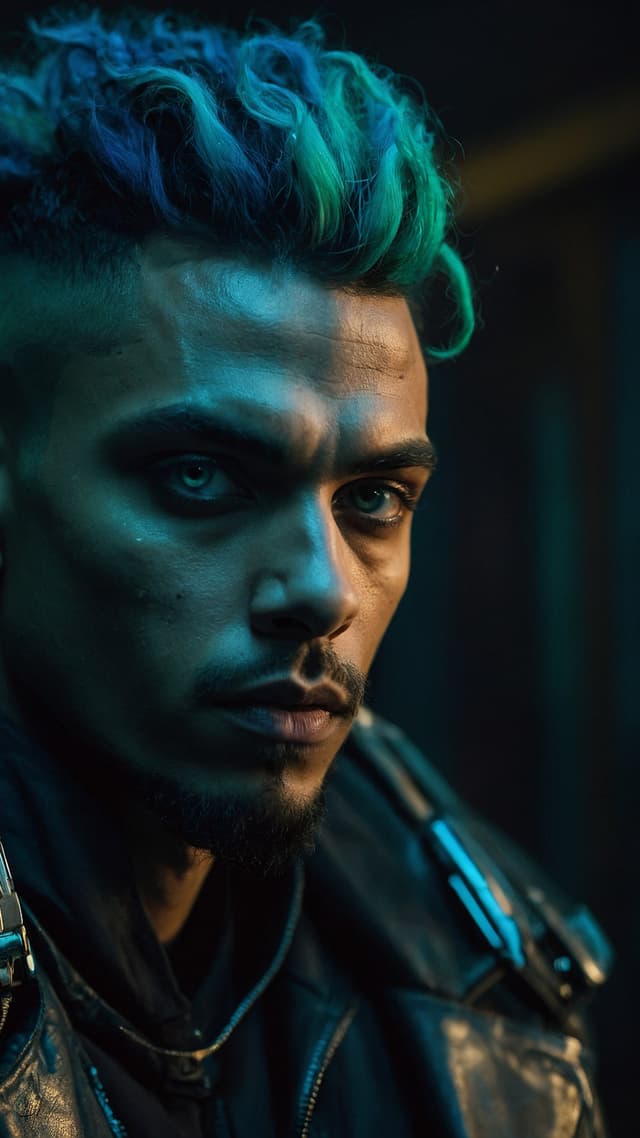
Production
Production was organized as an AI-assisted workflow rather than a traditional linear build. Coding tools were used for implementation, debugging, refactoring, interface iteration, and working across the mobile app, backend, API, website, and deployment details.
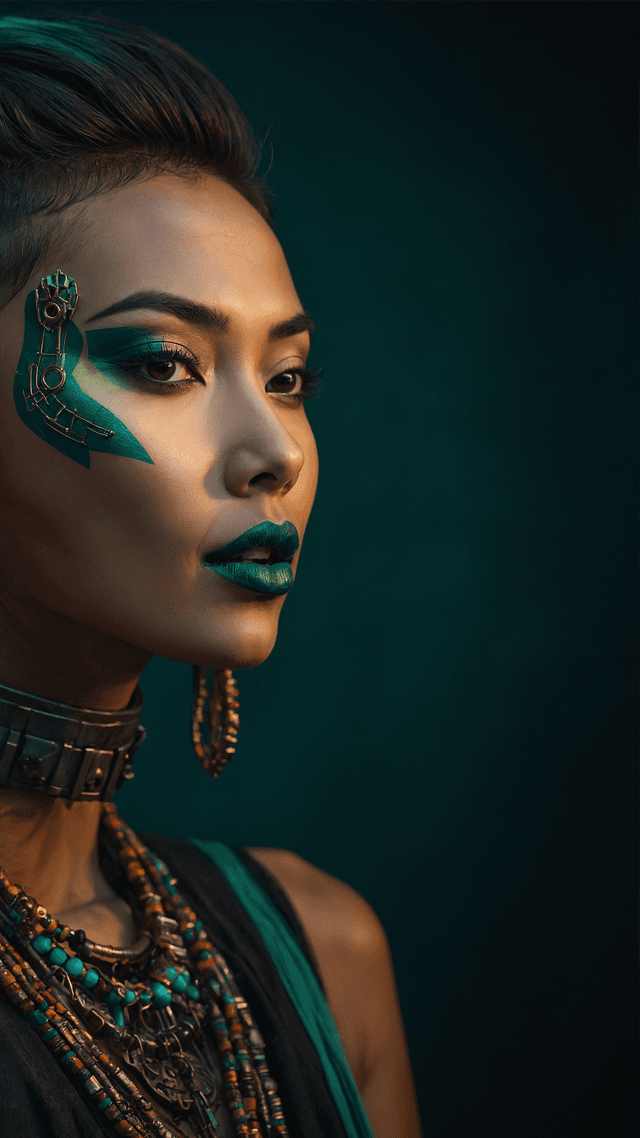
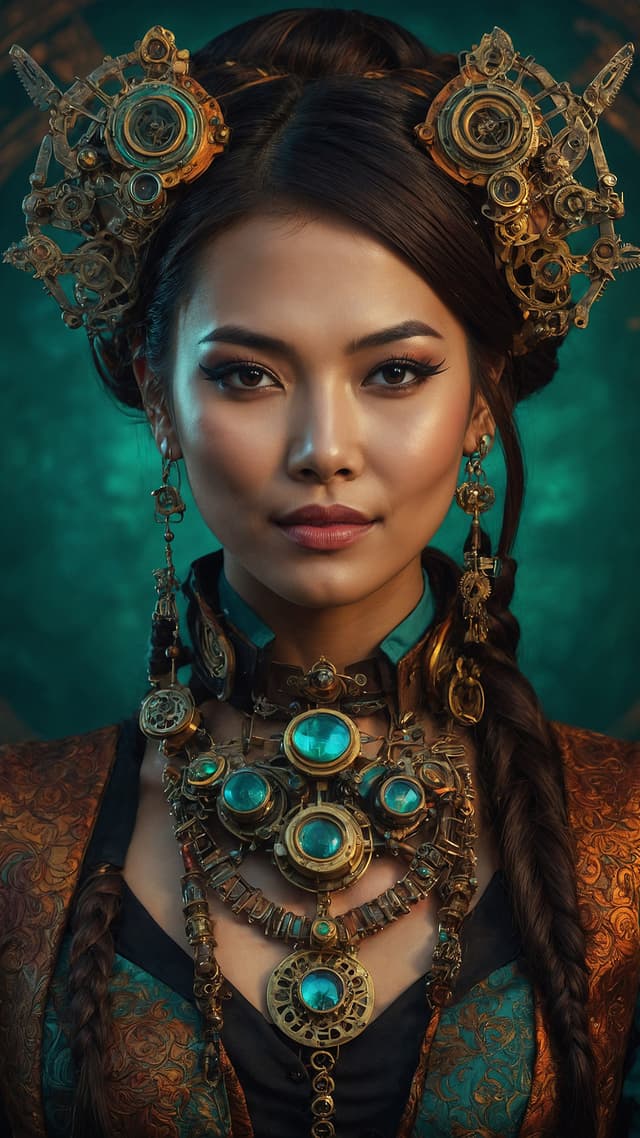
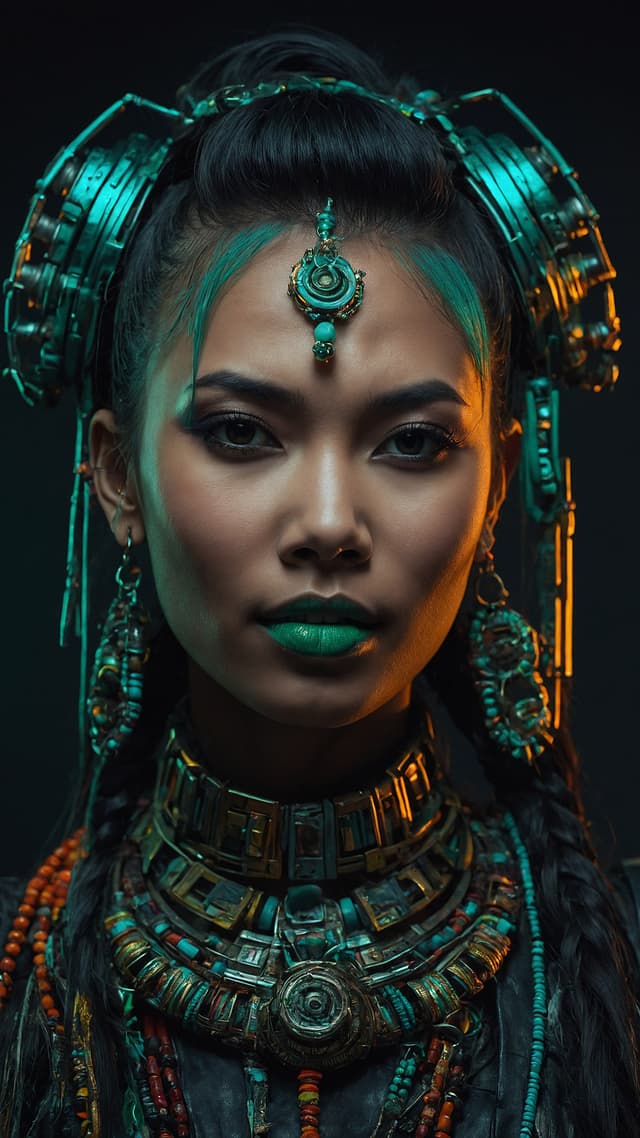
The same production loop also included visual and promotional work. Leonardo was used to create visual material for the application world, while Sora was used for promotional video experiments. This made it possible to treat the project not only as software, but as a complete product environment: code, images, video, presentation, and distribution.
AI accelerated the process, but did not replace product, engineering, or design control. Architecture, data flow, privacy decisions, platform constraints, publication requirements, and final implementation choices remained human-directed. Above all, the visual style was never delegated to automation: AI generated assets, but the aesthetic direction stayed fully human-controlled.